If a toddler locked the door from the inside and your keys are on the kitchen counter, calm steps will get you back in. This piece is about calling a Immediate 24 hour locksmith for home door jamming and lockouts, and it collects practical experience rather than theory. I will share clear actions, expected timeframes, and the questions that will help you choose a reliable technician when a cylinder or latch refuses to cooperate.
How to decide if this is a job for a locksmith
If the key goes in but turns with mushy resistance or not at all, that is a good signal to stop and call a locksmith. Household improvisation can shear off remaining pieces, ruin the cylinder, or damage the door frame and jamb beyond a simple fix. If you are locked out at night and there is a safety concern, call a 24 hour locksmith; if the situation is non-urgent, you can wait until morning and seek multiple quotes.
What to expect when a locksmith arrives at night
Expect the technician to look at the strike plate, check alignment, and analyze whether the problem is the cylinder, the bolt, or the door settling. If the door is swollen from humidity or the frame is crooked, the locksmith will tell you that the lock https://accesscontrolkfzt723.iamarrows.com/car-locked-out-in-orlando-immediate-actions-and-when-to-call-a-car-locksmith-near-me might not be the real problem and suggest easing the fit or rehanging the door if necessary. A locksmith will extract broken keys with specialized tools and then advise whether rekeying the cylinder or swapping to a new lock is the prudent choice.
Pricing and timing realities for emergency calls
Late-night dispatch usually includes an extra fee for immediate response, and that fee varies but is a normal part of emergency locksmith pricing. A straightforward unlock during regular hours might be relatively economical, but an after-hours extraction and rekey will usually increase the final invoice. When parts are required, expect separate charges for the cylinder or new deadbolt, and always ask whether the quoted parts are grade 1, 2, or 3.
Red flags that should make you hang up and call someone else
Ask for a company name, the technician's name, and a clear estimate of the total expected cost before the locksmith leaves the shop. If the person on the other end of the line refuses to give a price range or pushes cash-only with no receipt, that is a strong warning sign. Legitimate locksmiths will often ask a few verifying questions about the property to confirm you are the owner or occupant; that balance between identity verification and urgent help is routine.
Tools and techniques a pro will use versus destructive options
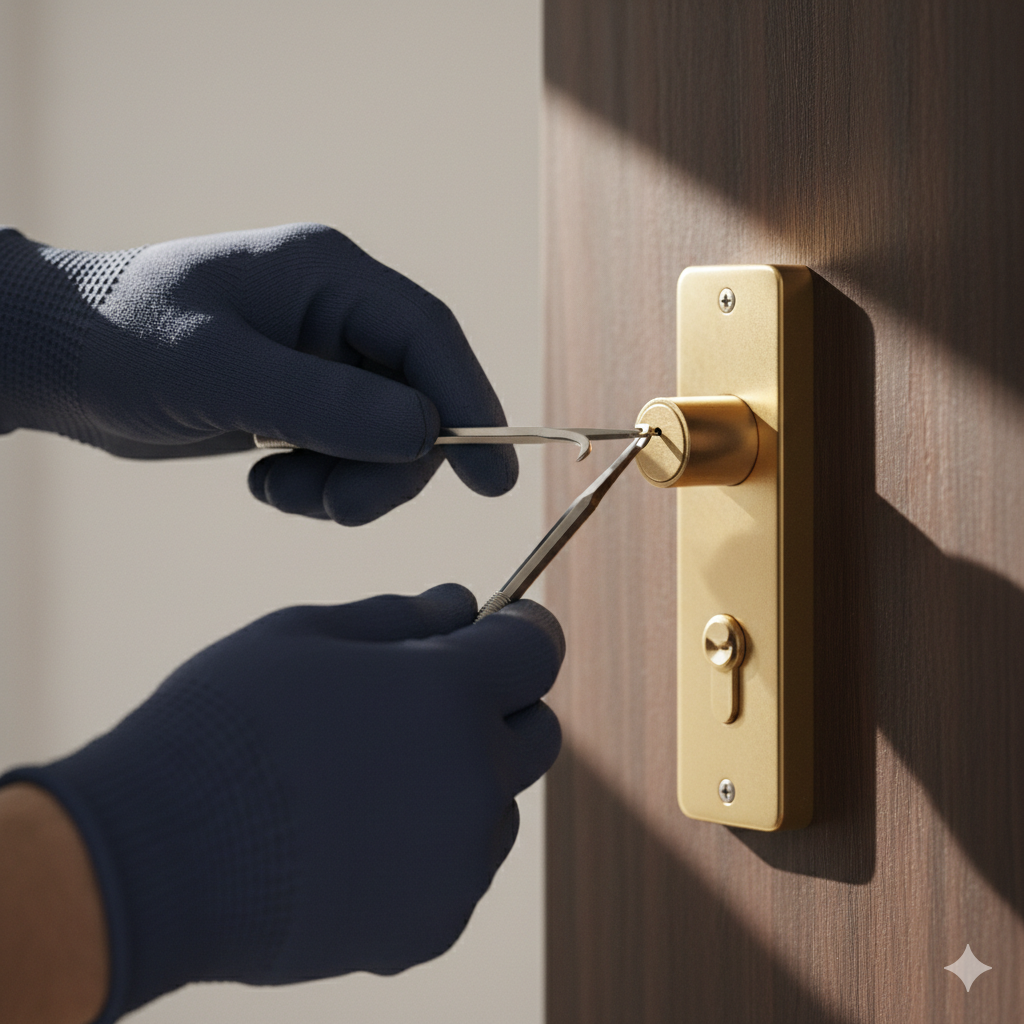
Experienced technicians carry specialized picks, narrow jigs, and electronic tools that work around a lock without causing damage. If non-destructive entry is impossible due to a seized bolt or a broken tailpiece, the locksmith may drill the cylinder or remove the lock from the door and replace it. Ask ahead whether the technician will attempt non-destructive entry first and what the contingency plan is if that fails.

Stories that illustrate trade-offs and judgment
I recall a rainy evening when a tenant jammed a deadbolt by forcing a grocery bag into the door trim, and the fix required realigning the frame rather than changing the lock. A common pattern is panic-driven damage that escalates costs, and the best intervention is a calm call to a qualified technician who can explain options. The takeaway from several nights on call is that restraint and a proper assessment beat improvised force, and that technicians who communicate clearly reduce surprises.
DIY prevention and smart upgrades that reduce future lockouts
Install a keypad or smart lock with a backup mechanical key if you frequently misplace keys or share access with others. Maintain your hardware with annual lubrication and hinge checks so doors remain aligned and locks operate smoothly. Make spare keys and keep them in secure, well-chosen places rather than under a plant pot with predictable hiding spots.
Upgrades worth considering after a forced entry
When replacing hardware, request locks rated to the highest reasonable grade for your door and neighborhood. A proper installation uses 3-inch screws through the strike and into the framing, which increases the door's resistance to kick-in compared to short screws. Always get the make and model of installed parts and the warranty terms before paying, especially for higher-security locks.
What to do if you must wait outside
If conditions are bad, consider waiting in a nearby open public place or inside a car rather than exposed to weather and traffic. Do not let anyone work without clear identification and a signed acceptance of the total price and scope of work. Small details like clearing the path to the door and turning on an exterior light help the locksmith arrive and work faster.
Making the right long-term choice for security and budget
Rekeying is efficient when the hardware is intact and you only need new keys for security reasons, and it is cheaper than a new lock. When reliability matters, a new lock and proper installation provide peace of mind and reduce repeat calls. A transparent quote with alternatives helps you decide between immediate convenience and a better long-term solution, and a reputable technician will present those choices.
If you remember nothing else, keep these three practical rules handy: verify identity and price before any work, prefer non-destructive methods first, and get warranties in writing. A steady, informed call for help and a technician who explains options will keep the bill reasonable and the door secure. If you want, prepare a short script now to use during an emergency: your name, the exact address, the door type, and whether anyone is inside or vulnerable.